
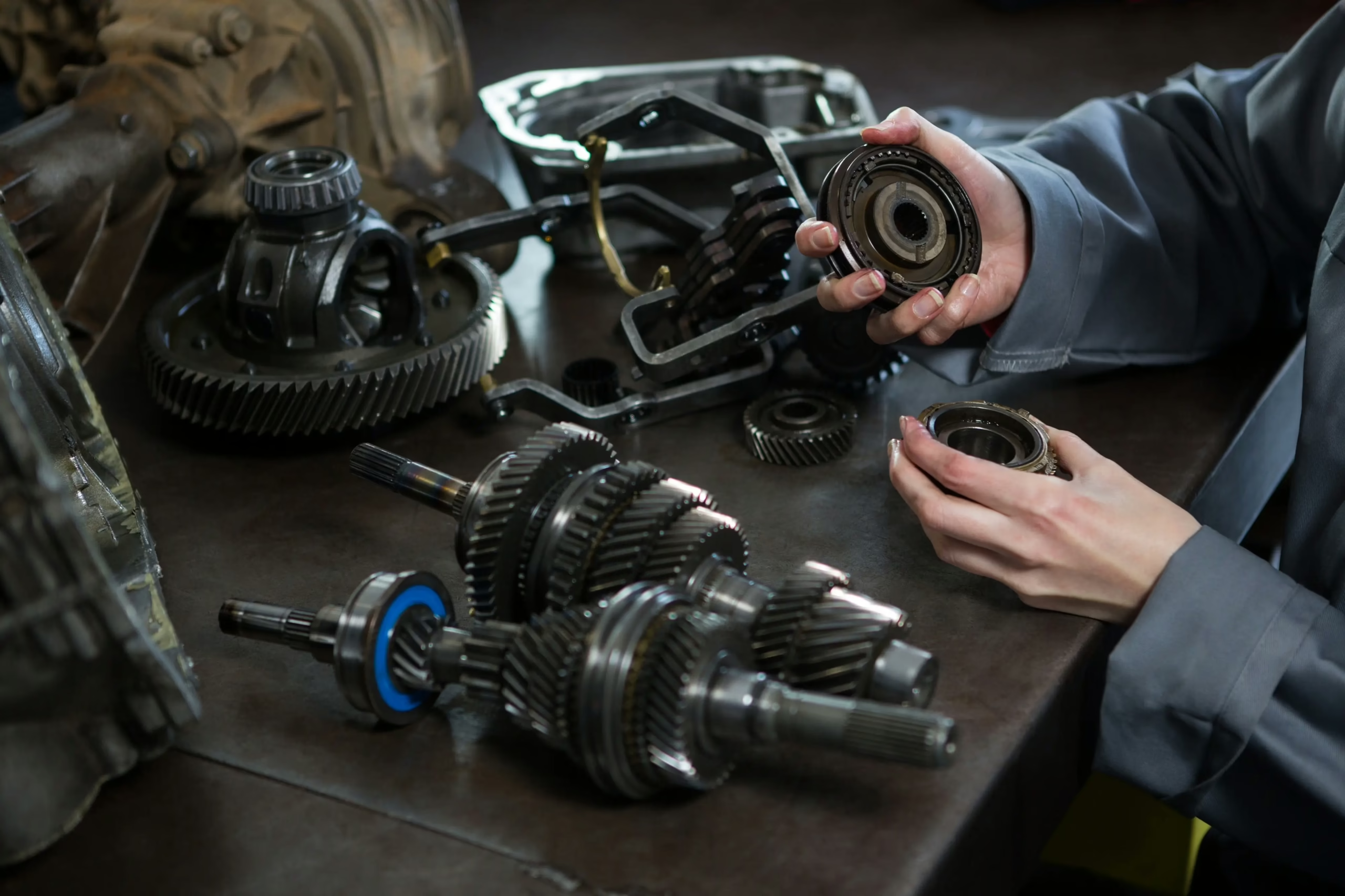
Outboard engines are tough, but they often need maintenance due to saltwater exposure; engine heat and vibrations take their toll on boat parts over time. Knowing when to replace marine engine parts is crucial to avoid breakdowns, costly repairs, and ruined boating days.
Whether you are a frequent boater or love to take the vessel out on occasional sunny days, you must understand the replacement timelines to ensure that your engine remains reliable and efficient and doesn’t break down unexpectedly.
This blog discusses everything you need to know about replacing outboard marine motor parts and the signs that indicate it’s time.
Read on!
An outboard motor is a combination of parts that work together, including the propeller, ignition, cooling, and power transmission. Each system contains items that degrade at different rates. Some marine parts are designed for regular replacement, while others last for years if properly maintained. This is where quality motorboat parts come into play. They are made of high-quality materials and, when sourced from trusted suppliers, ensure proper fit, performance, and durability.
Read more: The Ultimate Guide to Buying Mercury Outboard Parts Online
Replacement frequency depends on several factors, such as usage hours, water conditions, and maintenance habits.
Replacement frequency depends on usage hours, water conditions, and maintenance habits. Below is a practical breakdown most boaters can follow
These parts need service every 50-100 hours or annually, and wear quickly and should be replaced regularly:
These outboard motor parts are easy to replace and inexpensive, but can lead to bigger problems if neglected.
The following parts don’t need replacement very often, but still require scheduled replacement:
These parts don’t show obvious wear and tear and deteriorate gradually.
The following components need replacement only when they are worn or damaged:
You can buy these outboard motor parts online if you have accurate engine details and verified part numbers.
The frequency at which engine parts must be replaced depends upon the following factors:
If your boat is frequently exposed to sun and saltwater, you must replace outboard motor parts more often.
Here are some warning signs to watch out for:
These signs indicate failing boat parts and shouldn’t be overlooked, as they can damage core engine components.
Replacing parts is a later process. The first step of extending the lifespan of marine motor parts is to prevent early wear. Here are some tips to do that:
Preventive care is recommended to reduce the number of times you need to replace Yamaha outboard motor parts.
Quality matters, whether you are replacing core engine components or outboard motor accessories. Invest in OEM parts if possible- source from a reputable supplier like Marine Trading Post to ensure compatibility and reliability.
Do not fall for cheap parts or unknown sellers, as poor-quality boat parts often fail early and cost more in the long run.
Read more: Where to Buy Original Suzuki Outboard Parts at Best Prices?
Many people overlook how boat accessories and outboard motor accessories contribute to engine longevity. Items like engine covers, fuel tanks, flushing kits, and mounting hardware protect the engine from environmental damage and misuse.
Even non-engine items like dock accessories help reduce wear by stabilizing boats during docking and storage. When paired with quality boat accessories, engines experience less stress and fewer part failures.
Delaying replacement is not cost-effective, but it can prove more expensive in the long run. It is a cheaper option than repairing damaged cylinders, gearcases, or fuel systems.
Keep your budget predictable by investing in smart maintenance.
Replacing motor boat parts is very subjective. You must determine your boat’s needs first and then follow the hour-based guidelines to keep your vessel’s outboard engine in good shape. Watching for warning signs and taking proactive action makes a huge difference.
The next most important thing is to invest in quality marine motor parts. You need a reliable supplier like the Marine Trading Post online store, where you can find both OEM and aftermarket engine parts at competitive rates. We stock every outboard engine part and accessories that you might need.
Browse our stock now!
Most routine outboard motor spares should be replaced every 50–100 hours or once a year.
Spark plugs, fuel filters, impellers, and anodes are the most commonly replaced marine motor parts.
Yes, you can buy reliable outboard motor parts at the Marine Trading Post online store.
Yes, boat accessories reduce wear caused by sun, moisture, and vibration.
No, it is not. It can lead to engine damage and higher repair costs.
we are here for you! How can we help?