
Search

How to Protect Marine Fuel Systems from Winter Condensation: A Marine Engine Parts Guide

Protect Marine Fuel Systems from Winter Condensation

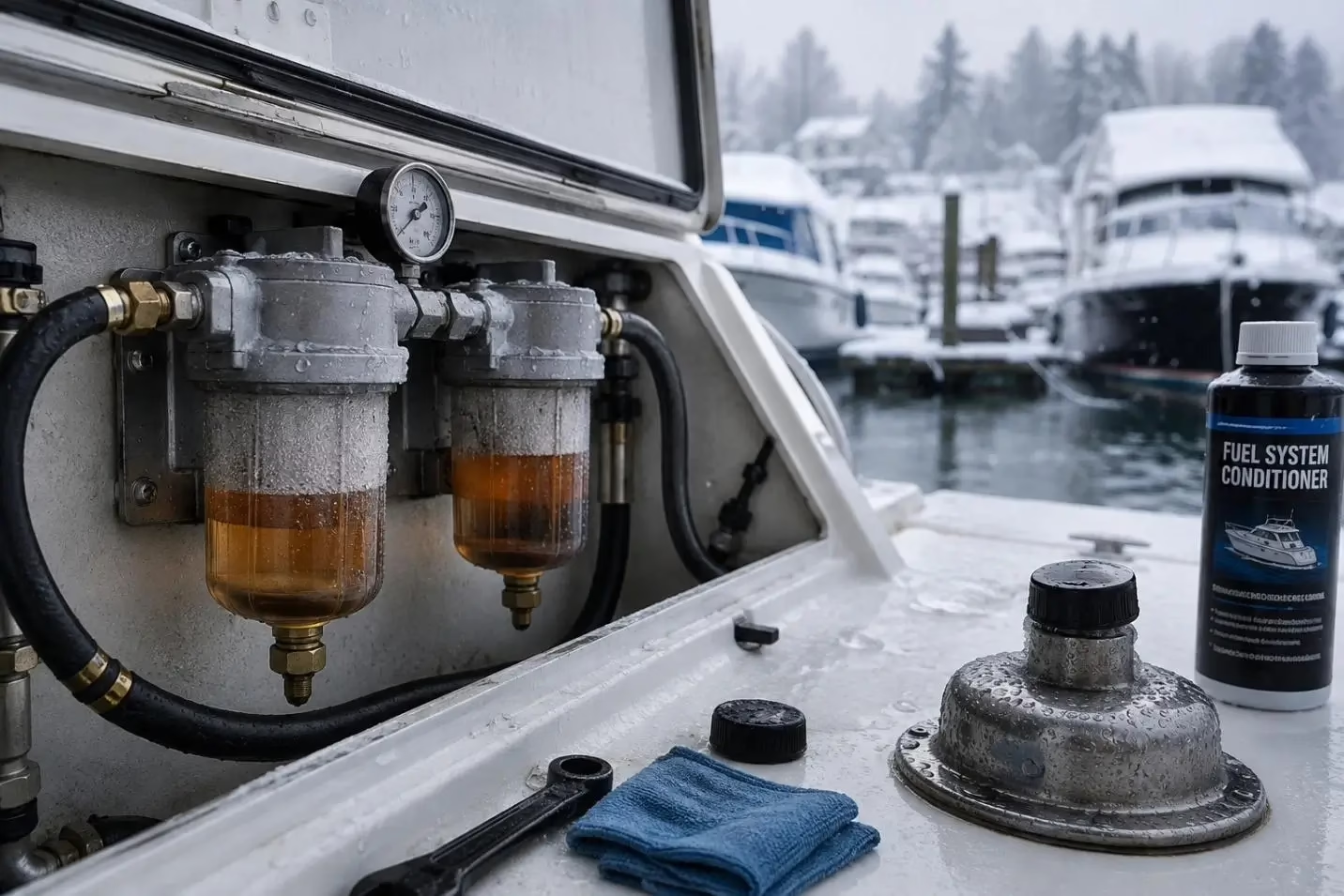
Winter storage is tough on marine fuel systems. Temperature swings inside a partially filled tank create condensation, and that moisture can lead to corrosion, rough starts, and costly damage to marine engine parts. This guide covers ten practical ways to protect your fuel system over the off-season, along with brand-specific tips for Yamaha, Mercury, and Honda outboards, so your boat starts easily the moment spring arrives.

Marine Trading Post has supplied Southwest Florida boaters with marine engine parts and expert advice since 1985 — here’s what our team recommends.

Why Winter Condensation Forms Inside Marine Fuel Tanks

Temperature Changes and Moisture Build-Up

As temperatures drop overnight and rise during the day, air inside a fuel tank expands and contracts, pulling in moisture that condenses on the tank walls.

Why Boats Stored for Months Are More Vulnerable

Boats sitting idle for weeks or months give condensation far more time to accumulate, especially in tanks that are only partially filled.

Problems Caused by Water in Marine Fuel Systems

  • Fuel contamination and phase separation
  • Corrosion of marine engine components
  • Engine starting problems
  • Reduced engine performance
  • Damage to marine engine parts like injectors and fuel pumps

Signs Your Boat Fuel System Has Moisture Contamination

  • Rough engine starts
  • Water found in the fuel separator
  • Engine hesitation under load
  • Noticeable loss of power
  • Rust around fuel system components

10 Ways to Protect Marine Fuel Systems from Winter Condensation

  1. Fill the fuel tank before winter storage to minimize airspace and reduce condensation.
  2. Add a quality marine fuel stabilizer to slow fuel degradation.
  3. Run the engine after adding fuel stabilizer so treated fuel reaches the entire system.
  4. Replace fuel filters before storage to start the season with clean components.
  5. Drain water separators to remove any existing moisture.
  6. Inspect fuel lines and connections for cracks or loose fittings.
  7. Keep the boat properly covered to limit temperature swings and moisture intrusion.
  8. Store the boat in a dry, ventilated area whenever possible.
  9. Inspect marine engine components before spring launch to catch issues early.
  10. Replace worn marine engine parts before the boating season begins.

Choosing the Right Replacement Parts for Your Boat Engine

Why OEM Parts Matter

OEM and OEM-equivalent parts matter because they’re engineered to the tolerances your engine expects, reducing the risk of fuel leaks or fitment issues that can undo all your other winterizing work.

Compatible Boat Motor Parts for Reliable Performance

Compatible boat motor parts — filters, separators, and fuel lines — should match your engine’s exact make and model specifications. Using the wrong filter micron rating or an ill-fitting hose can create leaks or restrict fuel flow, undermining performance even after a careful winterizing job.

Inspecting Boat Motor Components During Seasonal Maintenance

During seasonal maintenance, take time to inspect boat motor components closely, checking for cracked hoses, corroded fittings, and worn seals before problems become expensive repairs. Catching a small crack in the fall is far cheaper than replacing a fuel pump damaged by contaminated fuel in the spring.

Winter Fuel System Care for Popular Outboard Brands

Yamaha Outboard Fuel System Maintenance

Yamaha outboards benefit from OEM fuel filters and manufacturer-approved stabilizer treatments before storage.

Mercury Outboard Fuel System Maintenance

Mercury engines should have water separators drained and fuel-to-oil ratios checked on two-stroke models prior to winterizing.

Honda Outboard Fuel System Maintenance

Honda four-stroke outboards benefit from a full fuel system flush and filter replacement heading into winter storage.

Common Winter Fuel System Maintenance Mistakes to Avoid

  • Leaving the tank nearly empty
  • Skipping fuel stabilizer
  • Ignoring water separators
  • Forgetting spring fuel system inspection
  • Using low-quality replacement parts

Recommended Winter Maintenance Checklist

Fill the tank, add stabilizer, run the engine, replace filters, drain separators, inspect lines, cover the boat, and store it in a dry, ventilated space. Checking each item off before storage sets your engine up for an easy spring start.

When Should You Replace Fuel System Components?

Replace fuel filters annually, water separators when discolored or full, and fuel lines at the first sign of cracking or hardening. Waiting until a part fails often costs more than proactive replacement.

Why Preventive Winter Maintenance Saves Money

A few hours of preventive care costs far less than repairing a corroded fuel system or replacing damaged marine engine parts mid-season. Injector cleaning, fuel pump replacement, and corrosion repair can add up quickly, while stabilizer, filters, and a proper storage routine cost a fraction of that. Preventive maintenance also protects resale value and keeps your boat reliable the moment you’re ready to launch.

Conclusion

Winter condensation is one of the most preventable threats to your boat’s fuel system, and a little preparation goes a long way. From fuel stabilizer to proper storage, these steps protect your engine and save money down the line. Marine Trading Post carries genuine marine engine parts, filters, and fuel system components for Yamaha, Mercury, and Honda outboards at our Fort Myers, Port Charlotte, and Naples stores — stop by before you winterize.

Frequently Asked Questions

Temperature swings cause air inside the tank to expand and contract, pulling in moisture that condenses on the tank’s interior surfaces, especially in tanks with more empty airspace.
A full tank is generally better, since it leaves less room for air and moisture to accumulate.
Fuel stabilizer slows fuel degradation but doesn’t eliminate condensation, so pair it with proper storage practices and a full tank.
Most manufacturers recommend replacing fuel filters at least once a year, or more often in heavily used boats.
Rough starts, engine hesitation, power loss, and visible water in the fuel separator are all common signs of contamination.