
Search

Common Honda Outboard Steering Problems & Fixes

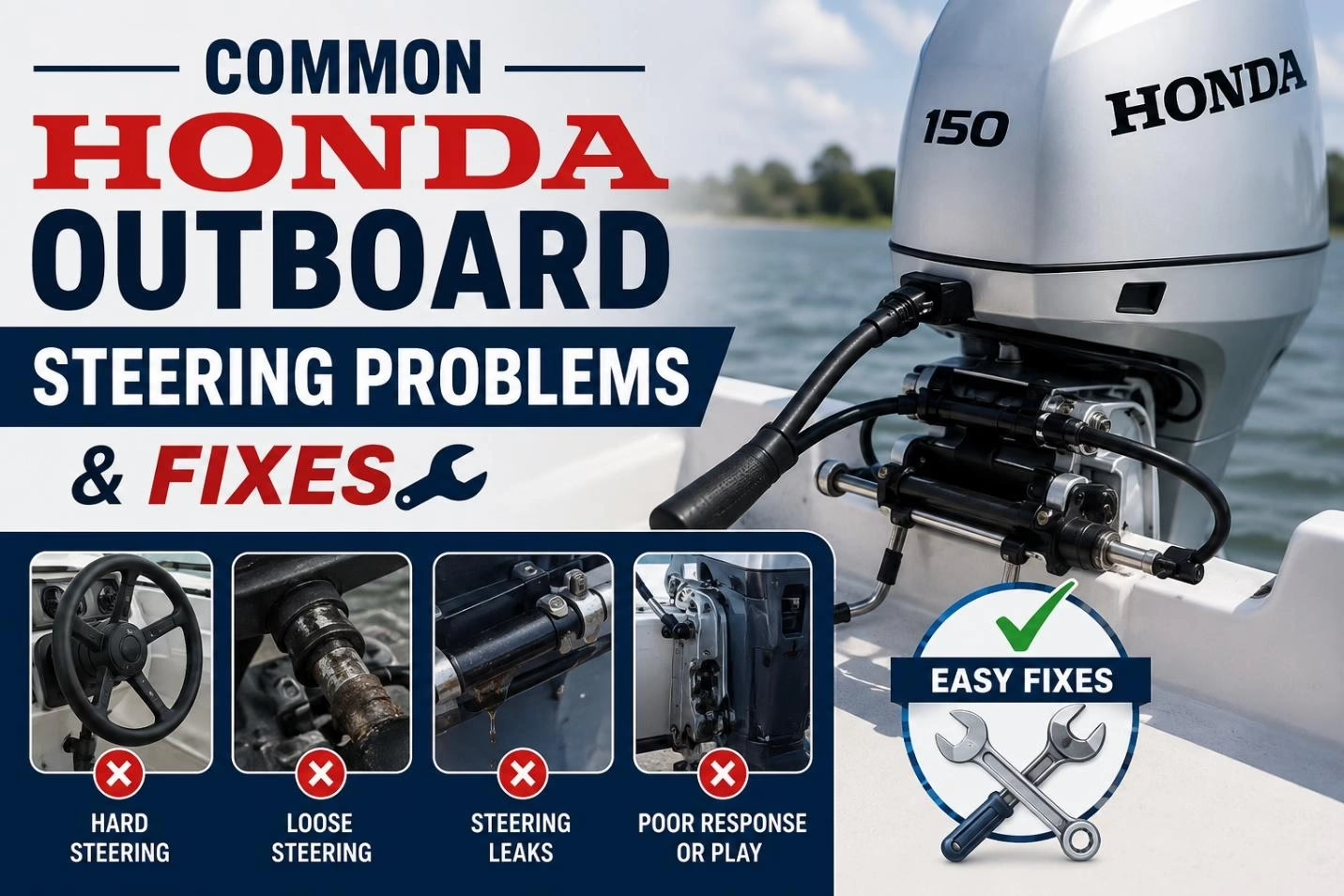
Honda Outboard Steering Problems
A stiff wheel or a sudden fluid leak at the helm can turn a relaxing day on the water into a stressful one fast. Honda power steering systems are known for reliability, but like any hydraulic or cable system, they wear over time. Marine Trading Post, serving Fort Myers, Port Charlotte, and Naples boaters since 1985, breaks down the most common Honda outboard steering problems and how to fix them.

Summary

Honda outboard steering issues usually fall into a handful of categories: stiff steering, loose or sloppy response, hydraulic fluid leaks, jerky or unresponsive steering, and unusual noise or vibration. Most of these problems trace back to low or contaminated hydraulic fluid, trapped air in the system, worn cables, or a failing helm pump. Catching the signs early and following a step-by-step diagnostic process can save you from a costly Honda outboard steering replacement.

  • Stiff or loose steering often points to fluid, air, or cable issues
  • Hydraulic fluid leaks should be inspected and repaired promptly
  • A proper diagnostic checklist helps you fix small issues before they become big ones
  • Knowing when to repair versus replace saves time and money

Understanding Honda Outboard Steering Systems

Types of Honda Steering Systems

  • Honda outboards use either a mechanical cable steering setup or a Honda marine power steering hydraulic system, depending on the engine size and boat configuration. Larger horsepower engines typically benefit from hydraulic steering for Honda boat motor applications, which reduces steering effort significantly.

Key Components Involved

Whether mechanical or hydraulic, Honda steering systems rely on a helm pump or cable assembly, hoses or cable runs, a steering cylinder or connecting arm, and hydraulic fluid or grease to keep components moving smoothly.

Most Common Honda Outboard Steering Problems

  • Stiff or Hard Steering Wheel: often caused by low fluid, trapped air, or a worn helm pump
  • Steering Feels Loose or Sloppy: usually the result of a stretched cable or worn linkage
  • Hydraulic Fluid Leaks: commonly found at hose fittings or the high-pressure line o-ring
  • Unresponsive or Jerky Steering: often linked to air in the hydraulic system or a failing pump
  • Steering Noise or Vibration: can indicate worn components or improper fluid levels

How to Diagnose Honda Outboard Steering Issues

Visual Inspection Checklist

Check the hydraulic fluid reservoir level, inspect hoses and fittings for wetness or corrosion, and look at cables for fraying or kinks.

Functional Testing

Turn the wheel fully left and right at idle to feel for stiffness, sponginess, or delayed response, which can help narrow down whether the issue is fluid, air, or a mechanical component.

When to Call a Professional

If fluid levels are correct but steering remains stiff or unresponsive after bleeding, or if you notice a leak you can’t locate, it’s time to have a marine technician inspect the Honda power steering pump marine system.

Step-by-Step Fixes for Honda Steering Problems

Fix 1 – Refill or Replace Hydraulic Fluid

Low or old fluid is one of the most common causes of stiff steering. Refill with manufacturer-approved hydraulic fluid and replace it if it appears discolored or contaminated.

Fix 2 – Remove Air from Steering System

Bleed the system by turning the wheel fully in both directions repeatedly until steering feels smooth and consistent.

Fix 3 – Repair or Replace Damaged Hoses

Leaking or cracked hoses should be replaced immediately to prevent fluid loss and maintain consistent pressure.

Fix 4 – Replace Faulty Power Steering Pump

If the helm pump has worn internal seals, a full pump replacement is usually needed to restore proper steering feel.

Fix 5 – Complete Honda Outboard Steering Replacement

When multiple components are worn or the system is outdated, a complete Honda outboard steering replacement often makes more sense than piecemeal repairs.

Honda Outboard Steering Repair vs Replacement

When Repair is Enough

Minor fluid leaks, low fluid, or trapped air can typically be resolved with a straightforward Honda outboard steering repair.

When Replacement is Better

A worn helm pump, cracked cylinder, or a system that’s failed multiple times despite repairs is usually a sign that full replacement is the more reliable long-term option.

Cost Comparison

Fluid top-offs and hose repairs are the most affordable fixes, while a full Honda outboard steering cable replacement or hydraulic system overhaul carries a higher upfront cost but avoids repeat breakdowns.

Preventive Maintenance Tips for Honda Steering Systems

  • Check hydraulic fluid levels at the start of every season
  • Inspect hoses, fittings, and cables for wear before long trips
  • Bleed the system if you notice any change in steering feel
  • Keep the helm pump and cylinder clean of salt buildup

Signs Your Honda Power Steering Needs Immediate Attention

Sudden stiffness, visible fluid puddles near the helm or engine, grinding noises while turning, or steering that suddenly feels loose are all signs that call for prompt inspection rather than waiting for the next scheduled service.

Choosing the Right Parts for Honda Steering Systems

When replacing hoses, seals, or a pump, always match the part to your specific Honda outboard model. Genuine or manufacturer-approved components ensure proper pressure ratings and a secure fit, reducing the chance of a repeat failure.

Expert Tips to Extend the Life of Honda Outboard Steering

  • Use only manufacturer-recommended hydraulic fluid
  • Address small leaks before they become larger failures
  • Have the system professionally bled after any hose or pump replacement
  • Schedule an annual steering inspection alongside routine engine maintenance

Conclusion

Most Honda outboard steering problems come down to fluid, air, or worn components, and catching the warning signs early keeps small issues from turning into an expensive Honda outboard steering replacement. Marine Trading Post has helped Southwest Florida boaters diagnose and repair steering issues for nearly four decades, and our team is ready to help you find the right parts and guidance to keep your Honda power steering running smoothly.

FAQs

Stiff steering is most often caused by low hydraulic fluid, trapped air in the system, or a worn helm pump that needs inspection.
Watch for stiffness, looseness, fluid leaks, unusual noise, or jerky response, any of which suggest it’s time for a closer inspection.
Simple fixes like refilling fluid or bleeding air can often be done at home, but pump or cylinder replacement is best handled by a marine technician.
Costs vary based on whether you need a full hydraulic system replacement or just a cable and hose repair; a marine parts supplier can provide an accurate estimate based on your model.
Low or contaminated fluid, trapped air, worn seals, and damaged hoses are the leading causes of hydraulic steering failure.