Search

How to Bleed a SeaStar Hydraulic Steering System Alone: Step-by-Step Guide

Seastar Hydraulic Steering System
If your boat’s helm feels spongy, slips at the wheel, or takes more turns than it should to respond, air has likely worked its way into your seastar hydraulic steering system. The good news is that bleeding a seastar hydraulic boat steering system alone is a manageable project, even without a second pair of hands at the helm.
At Marine Trading Post, we’ve spent nearly four decades helping Southwest Florida boaters keep their steering tight, responsive, and safe. Since 1985, our family-owned stores in Fort Myers, Port Charlotte, and Naples have supplied quality marine parts at prices that keep boating affordable. This guide walks you through exactly how to bleed your system, step by step.

What Is a SeaStar Hydraulic Steering System?

A seastar outboard hydraulic steering setup uses fluid, not cables, to turn your outboard. Turning the wheel pushes hydraulic fluid through hoses to a cylinder mounted on the engine, translating your input into smooth, precise movement.

How a SeaStar Hydraulic Boat Steering System Works

The helm pump generates pressure with every turn of the wheel. That pressure moves fluid through sealed lines to the steering cylinder, which pivots the outboard. Because the system relies on fluid rather than mechanical linkage, it stays smooth even under load.

Why Proper Bleeding Matters

Air compresses; hydraulic fluid doesn’t. Trapped air pockets absorb the pressure that should be turning your motor, leaving you with a soft, unreliable wheel. Bleeding removes that air so every turn transfers directly to the engine.

Signs Your SeaStar Hydraulic Steering Needs Bleeding

  • The wheel feels spongy or soft
  • You can spin the wheel further than it should turn lock-to-lock
  • Steering response is delayed
  • Fluid level in the helm reservoir keeps dropping
  • You hear knocking or grinding at the helm

Tools and Materials You'll Need

Essential Tools

You’ll need a wrench sized for your bleeder valves, clear plastic tubing, a catch container, a funnel, and clean rags. A helper bottle or one-person bleeder kit makes the job easier if you’re working solo.

Choosing the Right SeaStar Hydraulic Steering Fluid

Always use SeaStar-approved hydraulic steering fluid, never automotive power steering fluid. Marine Trading Post carries genuine seastar hydraulic steering fluid formulated specifically for these systems, along with seastar power steering fluid alternatives approved for compatible models.

Before You Begin: Important Safety Checks

  • Position the boat properly — level, with the outboard centered and pointed straight
  • Inspect the steering cylinder for leaks, cracks, or worn fittings
  • Check hydraulic lines for damage, kinks, or loose connections
  • Confirm fluid level in the helm reservoir before starting

How to Bleed a SeaStar Hydraulic Boat Steering System Alone

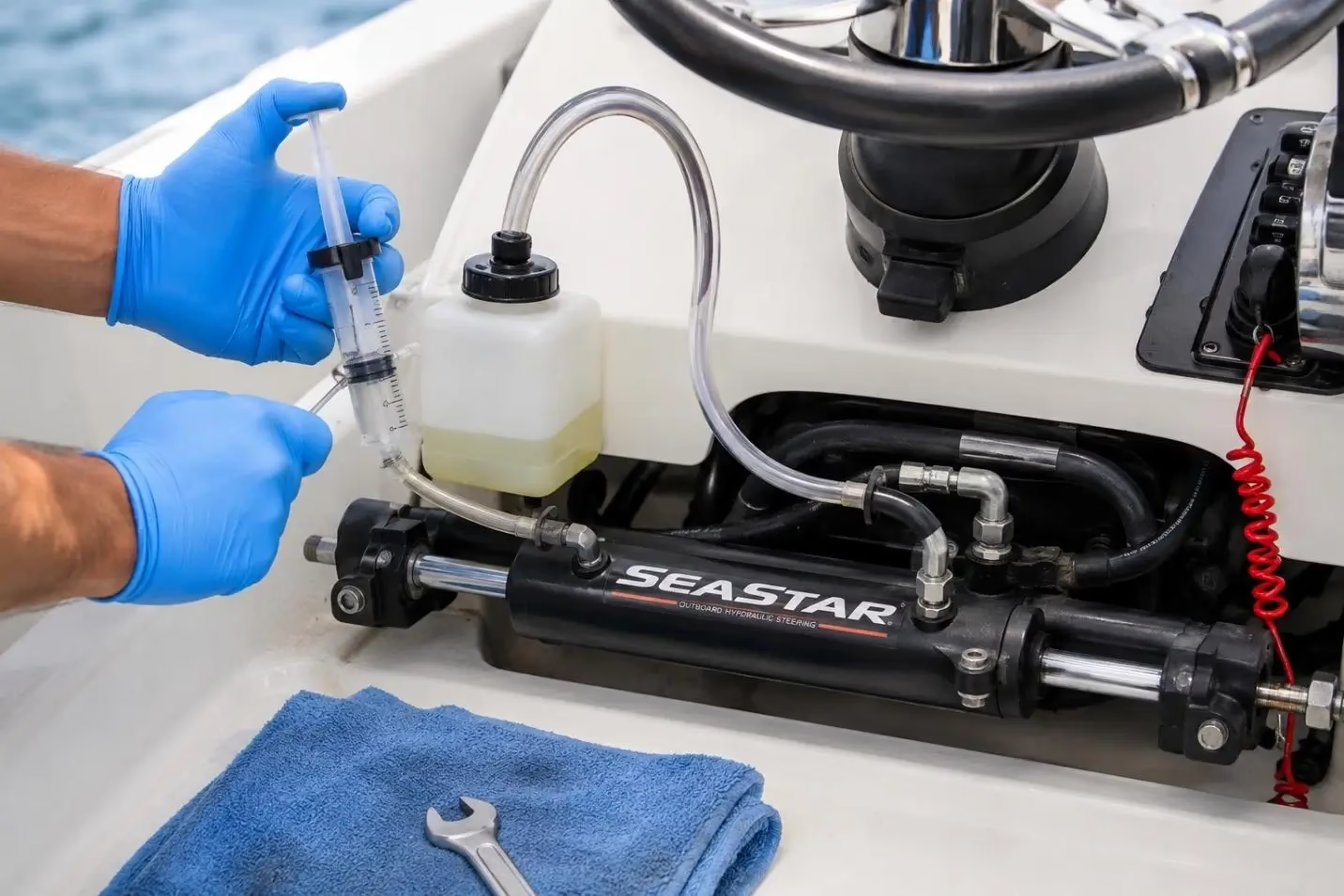
  1. Fill the helm reservoir completely with approved fluid.
  2. Attach bleeding tubes to the bleeder valves, routing the free end into your catch container.
  3. Open the first bleeder valve a quarter turn.
  4. Turn the steering wheel slowly in one direction until fluid flows clear and bubble-free.
  5. Close the bleeder valve before reversing direction.
  6. Repeat on the opposite side, turning the wheel the other way.
  7. Repeat the process on both valves until no air bubbles appear in the tubing.
  8. Top off the reservoir, since fluid level drops as air is expelled.
  9. Test the steering system through full lock-to-lock turns, checking for firm, even resistance.

Common Mistakes to Avoid When Bleeding SeaStar Hydraulic Steering

  • Letting the reservoir run dry, which draws new air into the system
  • Turning the wheel too quickly, which can cause cavitation
  • Mixing different hydraulic fluids, which can degrade seals
  • Stopping before all air is expelled from the cylinder
  • Overtightening bleeder valves, which can strip threads

Troubleshooting Steering Problems After Bleeding

  • Steering still feels spongy — repeat the bleed cycle; residual air often needs a second pass
  • Wheel is hard to turn — check for pinched lines or a failing pump
  • Engine doesn’t respond smoothly — inspect the cylinder for internal wear
  • Fluid continues to leak — tighten or replace worn fittings and seals
  • Air keeps returning — a failing seal is likely drawing air back in

How Often Should You Bleed a SeaStar Hydraulic Steering System?

Most boaters should check and, if needed, bleed their system once a season, or anytime the wheel feels different than usual. Boats used heavily or stored for long stretches may need it more often.

How to Maintain Your SeaStar Hydraulic Boat Steering System

  • Inspect hydraulic lines regularly for wear
  • Check fluid levels before each season
  • Replace worn seals promptly
  • Keep the helm area clean and dry
  • Use only SeaStar-recommended hydraulic fluid

Can You Bleed SeaStar Hydraulic Steering Without a Bleeder Kit?

A manual, single-person method works using clear tubing and careful valve timing, though a dedicated kit speeds up the job and reduces mess. If steering remains spongy after two full bleed attempts, professional service is the safer next step.

Choosing Replacement Parts for Your SeaStar Hydraulic Steering

Whether you need helm pumps, steering cylinders, hydraulic hoses, or bleeder kits, using genuine components protects the rest of your system. Marine Trading Post stocks genuine seastar hydraulic steering for sale across our Fort Myers, Port Charlotte, and Naples locations, backed by staff who understand these systems inside and out.

Conclusion

Bleeding your seastar hydraulic steering system doesn’t require a mechanic’s shop or a second set of hands — just the right tools, a little patience, and a clear process. Regular maintenance keeps your helm responsive and your time on the water worry-free. For genuine SeaStar parts, fluid, and expert advice, Marine Trading Post has kept Southwest Florida boaters moving since 1985, and our team is ready to help with whatever your steering system needs next.

Frequently Asked Questions

Yes. With clear tubing, a catch container, and careful attention to valve timing, one person can bleed the system without assistance.
Most single-person bleeds take 30 to 60 minutes, depending on how much air is trapped in the lines.
Fluid runs clear and bubble-free from the bleeder valve, and the wheel feels firm and consistent through a full lock-to-lock turn.
Use only SeaStar-approved hydraulic steering fluid, matched to your specific helm and cylinder model.
Only if your specific system is rated for it. Check your owner’s manual, since mixing incompatible fluids can damage seals.
Residual air, a failing seal, or a worn pump can all cause lingering sponginess. Repeat the bleed cycle first, and if the issue persists, have the system inspected.