
Search

Hydraulic vs Mechanical Boat Steering: Which Is Better?

Hydraulic vs Mechanical Boat Steering
Choosing between hydraulic and mechanical steering is one of the most important decisions a boat owner makes, especially when upgrading a single-outboard center console. A SeaStar front mount hydraulic steering system is often the top recommendation for boaters who want smoother handling and less fatigue at the helm. Marine Trading Post, serving Fort Myers, Port Charlotte, and Naples since 1985, breaks down both systems so you can choose with confidence.

Summary

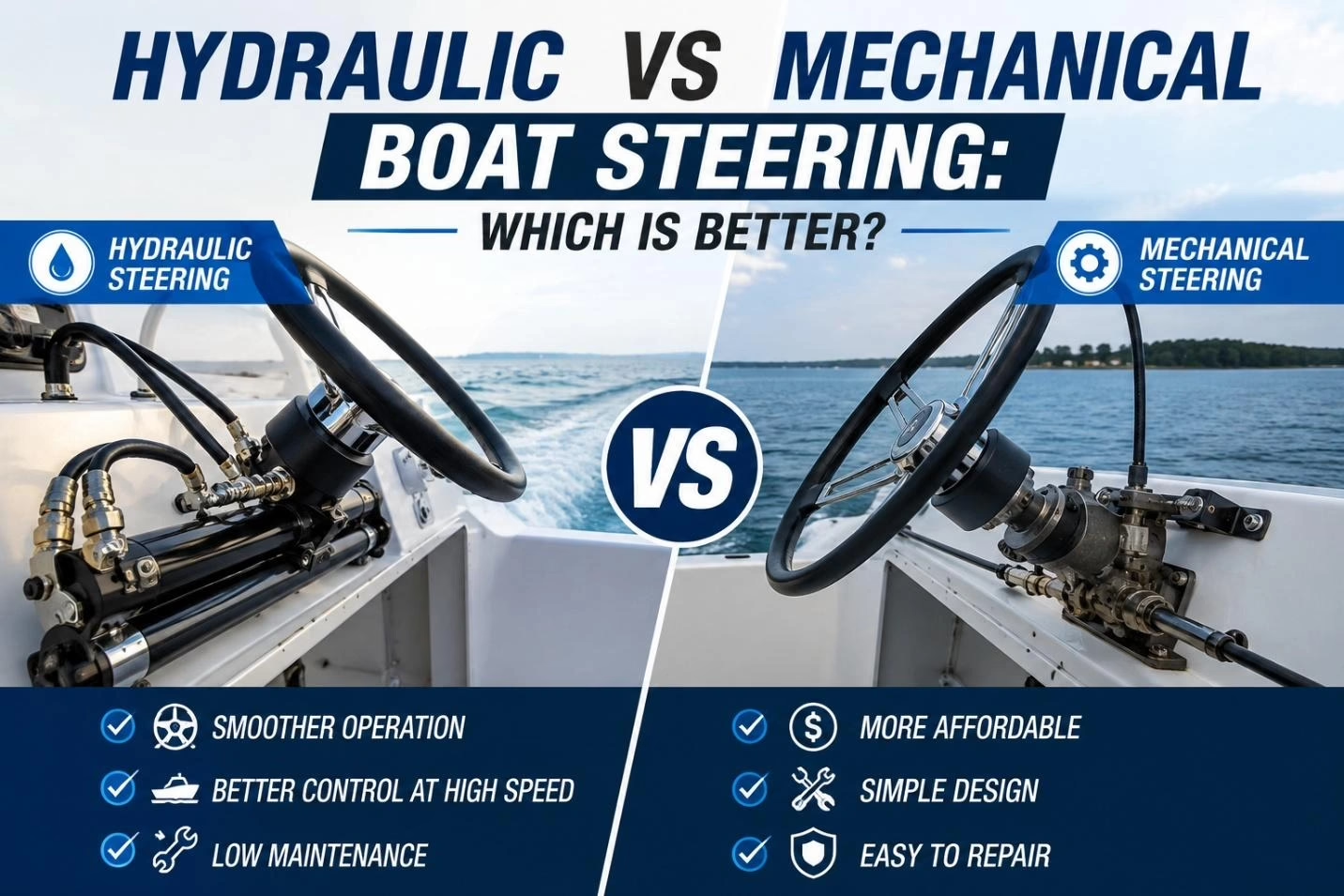
Mechanical steering uses a cable-and-pulley system that’s affordable and simple but becomes stiff and less responsive on larger, higher-horsepower boats. Hydraulic steering, particularly a SeaStar front mount hydraulic steering system, uses fluid pressure to deliver smooth, low-effort control that holds its course without feedback. Most boaters with engines above 150 horsepower benefit from upgrading to hydraulic steering.

  •       Mechanical steering: lower cost, simpler design, best for smaller boats and lower horsepower
  •       Hydraulic steering: smoother control, less arm fatigue, better for mid- to high-horsepower engines
  •       SeaStar front mount kits are among the most popular hydraulic upgrades for single outboards
  •       Installation cost and complexity are the main tradeoffs of hydraulic systems

What Is a Mechanical Boat Steering System?

Mechanical steering connects the helm to the outboard using a cable that runs through a rotary or rack-and-pinion mechanism. Turning the wheel pulls the cable, which physically moves the engine.

Pros of Mechanical Steering

  •       Lower upfront cost than hydraulic systems
  •       Simple design with fewer parts to maintain
  •       Well suited to smaller boats and lower horsepower engines

Cons of Mechanical Steering

  •       Steering becomes stiff and heavy at higher horsepower
  •       Cables stretch and wear over time, causing play at the wheel
  •       Less precise feedback than hydraulic systems

What Is a Hydraulic Boat Steering System?

A hydraulic boat steering system uses a helm pump to move fluid through hoses to a cylinder mounted at the engine, eliminating the mechanical cable entirely. This design removes friction and backlash, giving the helm a lighter, more consistent feel.

Types of Hydraulic Systems

  •       Front mount systems, which attach directly to the front of the outboard
  •       Side mount systems, common on older or smaller single-engine setups
  •       Dual-cylinder systems, used on twin-engine and larger center console boats

Benefits of Hydraulic Steering Systems

Hydraulic steering eliminates the friction and torque feedback common with cable systems, so the wheel doesn’t fight back through waves or at speed. Many boaters describe hydraulic steering as effortless enough to turn with two fingers once properly installed and bled. It also holds its course, meaning the boat won’t drift off line if you let go of the wheel.

Hydraulic vs Mechanical Steering

The core difference comes down to feel and application. Mechanical steering is direct and affordable but gets heavier as horsepower increases. Hydraulic steering trades a higher upfront cost for smoother, lighter control that scales well with bigger engines and longer runs offshore.

When Should You Choose Hydraulic Steering?

Hydraulic steering is the better choice for boats with engines above roughly 150 horsepower, offshore center consoles, and boaters who spend long hours at the helm. If you’ve noticed stiff or heavy steering on your current mechanical setup, that’s often a sign it’s time to upgrade.

When Is Mechanical Steering a Better Option?

Smaller boats with lower horsepower outboards, tighter budgets, or simpler maintenance needs are often better served by mechanical steering. If your boat rarely leaves calm inshore waters and the engine is modest in size, a mechanical system may be all you need.

Why Choose a SeaStar Hydraulic Steering System?

SeaStar is one of the most trusted names in marine steering, known for reliable helm pumps, durable hoses, and kits engineered specifically for outboard applications. Choosing a SeaStar hydraulic steering kit from an authorized marine steering system supplier ensures every component is matched for proper pressure and fit.

Front Mount Hydraulic Steering System Explained

A front mount hydraulic steering system attaches the cylinder directly to the front of the outboard, making it one of the most common configurations for single-engine center consoles and mid- to high-horsepower motors. This mounting position simplifies installation on many popular outboard brands and keeps steering components protected and accessible.

How to Choose the Right Hydraulic Steering System

Match the system to your engine’s horsepower, boat size, and whether you’re running a single or dual-engine setup. Always buy a complete SeaStar hydraulic steering kit rather than mixing components from different systems, since helm pumps, cylinders, and hoses are engineered to work together.

Installation & Maintenance Tips

Installation Overview

Installing a hydraulic steering system involves mounting the helm pump, running hoses to the cylinder, and carefully bleeding air from the system. Improper bleeding is the most common cause of soft or spongy steering after installation.

Maintenance Tips

  •       Check fluid levels and top off with manufacturer-approved hydraulic fluid
  •       Inspect hoses and fittings for leaks each season
  •       Bleed the system if steering feels stiff or unresponsive

Cost Comparison: Hydraulic vs Mechanical Steering

Mechanical steering kits are generally the more budget-friendly option, while a complete SeaStar hydraulic steering kit typically costs more upfront due to the helm pump, cylinder, and hoses involved. Factoring in installation, most boaters find the smoother control and reduced fatigue worth the added investment, especially on larger or higher-horsepower boats.

Conclusion

Both mechanical and hydraulic steering have their place, but for boaters running mid- to high-horsepower outboards along the Fort Myers, Port Charlotte, or Naples coastline, a SeaStar front mount hydraulic steering system delivers a noticeable upgrade in comfort and control. Marine Trading Post can help you select, order, and install the right hydraulic steering kit for your boat at a price that keeps boating affordable.

FAQs

Mechanical steering uses a cable connected directly to the engine, while hydraulic steering uses fluid pressure through a helm pump and cylinder for smoother, lighter control.
For boats with engines above 150 horsepower or frequent offshore use, most boaters find the smoother handling and reduced fatigue worth the higher upfront cost.
It’s a hydraulic steering configuration where the cylinder mounts directly to the front of the outboard, commonly used on single-engine center console boats.
A complete kit typically includes a helm pump, steering cylinder, hydraulic hoses, and the fittings needed for a full installation.
Experienced DIY boaters can install these systems, but proper bleeding is critical to smooth operation, so many owners choose professional installation or guidance from a marine steering system supplier.