
Search

Offshore vs Inshore Center Console Boats: Which Should You Choose?

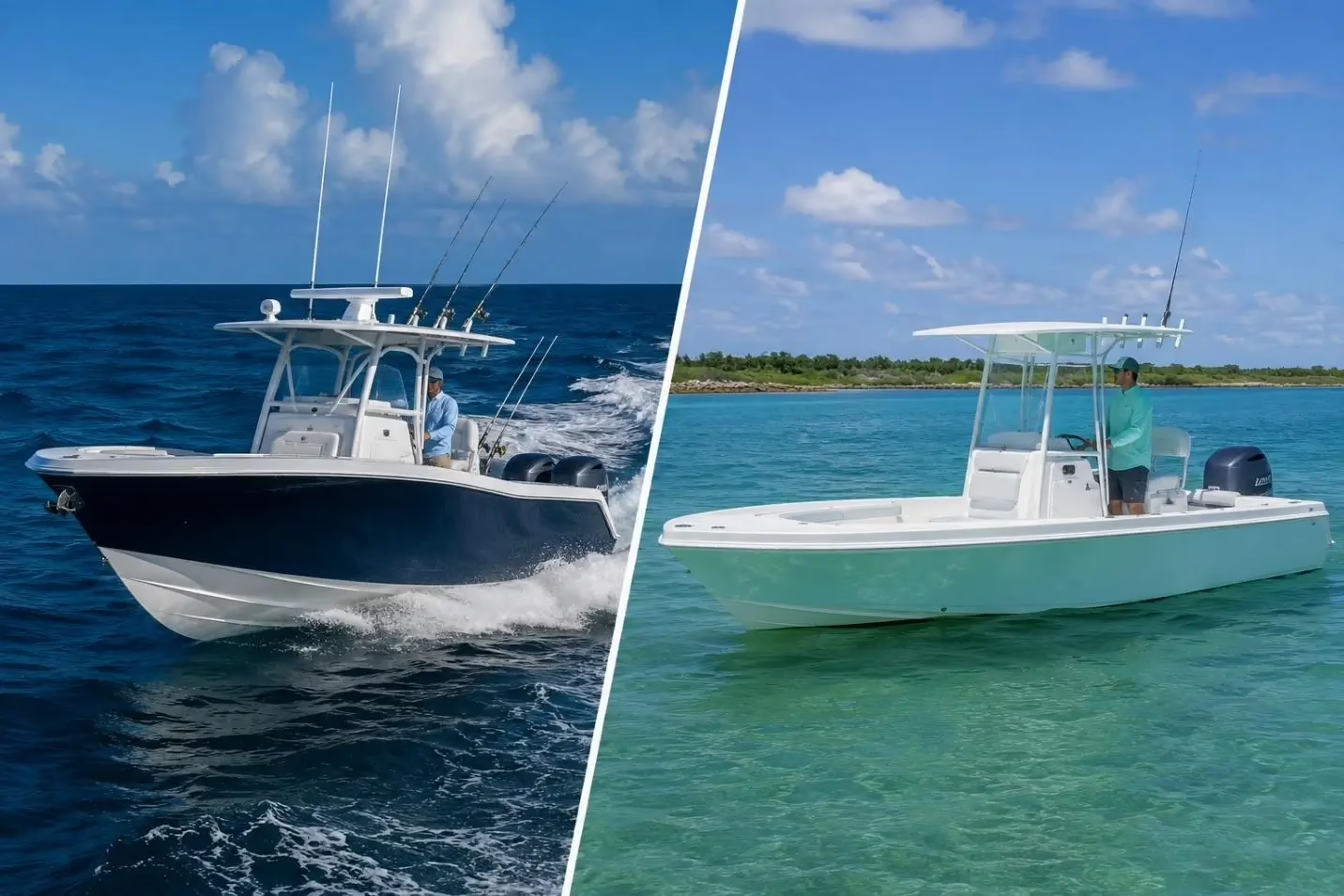
Offshore vs Inshore Center Console Boats
Choosing between an offshore and inshore center console boat comes down to where you fish, how you use your boat, and what kind of ride you want. Both styles fall under the popular center console boats category, but they’re built for very different conditions. This guide compares ride quality, fuel efficiency, resale value, and more, so you can pick the right boat for your Southwest Florida waters.
Marine Trading Post has outfitted boaters across Fort Myers, Port Charlotte, and Naples since 1985, and we know what keeps each type running its best.

What Are Center Console Boats?

Key Features of Center Console Boats

An open deck layout, a centrally mounted helm, and 360-degree walkaround access define center console boats, making them versatile for fishing and cruising alike.

Why They're Popular Among Anglers and Families

Their open layout, stability, and ease of access make center consoles a favorite for anglers who need deck space and families who want a comfortable day boat.

What Is an Offshore Center Console Boat?

Designed for Open Water Adventures: Offshore center consoles boats feature deeper hulls and higher freeboard built to handle rough, open water.

  • Best Uses: Offshore fishing, long-range cruising, and running in choppy conditions
  • Advantages: Superior rough-water handling, larger fuel capacity, and room for bigger engines
  • Limitations: Higher fuel consumption and less nimble performance in shallow water

What Is an Inshore Center Console Boat?

Built for Shallow Water Performance: Inshore center consoles have shallower hulls designed to run skinny water and access backcountry fishing spots.

  • Best Uses: Flats fishing, bay fishing, and near-shore trips
  • Advantages: Excellent shallow-water access, lighter weight, and better fuel economy
  • Limitations: Less capable in rough offshore conditions and open water chop

Offshore vs Inshore Center Console Boats: Side-by-Side Comparison

  • Ride Quality: Offshore boats handle chop more smoothly; inshore boats ride rougher offshore but excel in calm, shallow water
  • Stability in Different Water Conditions: Offshore hulls stay stable in open water; inshore hulls stay stable in skinny, protected water
  • Fishing Performance: Offshore boats suit deep-water species; inshore boats suit flats and backcountry species
  • Passenger Comfort: Offshore boats generally offer a smoother ride for passengers in open water
  • Safety Features: Offshore boats typically carry more redundant safety equipment for open-water trips
  • Maintenance Requirements: Offshore boats see more saltwater exposure and engine strain
  • Operating Costs: Inshore boats generally cost less to run day to day

Understanding Center Console Boat Fuel Efficiency

Which boat uses more fuel? Offshore boats generally burn more fuel due to larger engines and deeper hulls. Factors that affect fuel efficiency include hull design, engine size, boat weight, and cruising speed. To improve fuel economy, keep the hull clean, maintain proper engine tuning, and avoid overpowering your boat for its intended use.

Which Offers Better Center Console Boat Resale Value?

Factors that influence resale value include brand reputation, maintenance history, and engine hours. Offshore boats often hold value well due to strong demand, while well-maintained inshore boats also see solid resale interest in coastal markets. Buyers typically look for updated electronics, low engine hours, and clean maintenance records on either type.

Best Center Console Fishing Boats for Different Fishing Styles

  • Offshore Fishing: Deep-hull boats with larger fuel capacity
  • Flats Fishing: Shallow-draft inshore boats
  • Bay Fishing: Versatile mid-size inshore or hybrid boats
  • Reef Fishing: Stable offshore boats with solid rough-water handling
  • Family Fishing Trips: Comfortable, stable boats with ample deck space

Essential Center Console Boat Accessories

  • Navigation equipment (GPS, chartplotters)
  • Fishing accessories (rod holders, livewells, tackle storage)
  • Safety equipment (life jackets, flares, first aid kits)
  • Comfort accessories (bimini tops, seating, coolers)
  • Electronics (fish finders, stereo systems, marine radios)

Should You Buy New or Used Center Console Boats?

Benefits of Buying New: Latest technology, full warranty coverage, and no hidden wear.

Benefits of Buying Used Center Console Boats: Lower upfront cost and slower depreciation.

Before buying used, check the hull for repairs, test the engine, inspect electronics, and review maintenance records. Ask the seller about engine hours, past repairs, storage conditions, and their reason for selling.

Center Console vs Dual Console: Which Layout Is Better?

Main Design Differences: Dual consoles add a second helm-side seating area with more enclosed storage. Fishing Capabilities: Center consoles offer better 360-degree fishing access.

Family Comfort and Weather Protection: Dual consoles typically provide more protected seating and better protection from spray and wind.

How to Choose the Right Center Console Boat

  • Consider where you boat most
  • Think about passenger capacity
  • Set your budget
  • Evaluate fuel costs
  • Consider storage and trailering
  • Plan for future needs

Common Mistakes to Avoid When Buying a Center Console Boat

  • Choosing a hull that doesn’t match your typical water conditions
  • Underestimating fuel and maintenance costs
  • Skipping a pre-purchase inspection on used boats
  • Overlooking storage and trailering requirements

Conclusion

Whether you choose an offshore or inshore center console boat comes down to where and how you fish. Offshore boats deliver rough-water capability and range, while inshore boats offer shallow-water access and efficiency. Marine Trading Post has helped Southwest Florida boaters’ outfit and maintain both types since 1985 — visit our Fort Myers, Port Charlotte, or Naples locations for parts, accessories, and expert advice.

Frequently Asked Questions

Offshore boats have deeper hulls built for open, rough water, while inshore boats have shallower hulls designed for skinny, protected water.
Yes, their open layout and stability make them versatile for both fishing trips and family outings.
Inshore center console boats generally use less fuel due to smaller engines and lighter hulls.
Most offshore anglers look for boats in the 24-to-35-foot range, depending on how far offshore they plan to run.
It can handle calm conditions close to shore, but it’s not built for sustained rough, open-water use.