
Search

Mechanical Cable vs. Hydraulic Boat Steering: SeaStar Steering Parts Upgrade Cost Guide

Mechanical Cable vs Hydraulic Boat Steering
Wrestling with a heavy wheel at high speed, or replacing worn steering cables every season? It might be time to upgrade from mechanical cable steering to a hydraulic system. This guide breaks down real upgrade costs, key benefits, and the seastar steering parts you’ll need to make the switch.
Marine Trading Post has helped Southwest Florida boaters choose and install the right steering setup since 1985, and we’ve put that experience into this practical, no-nonsense comparison.

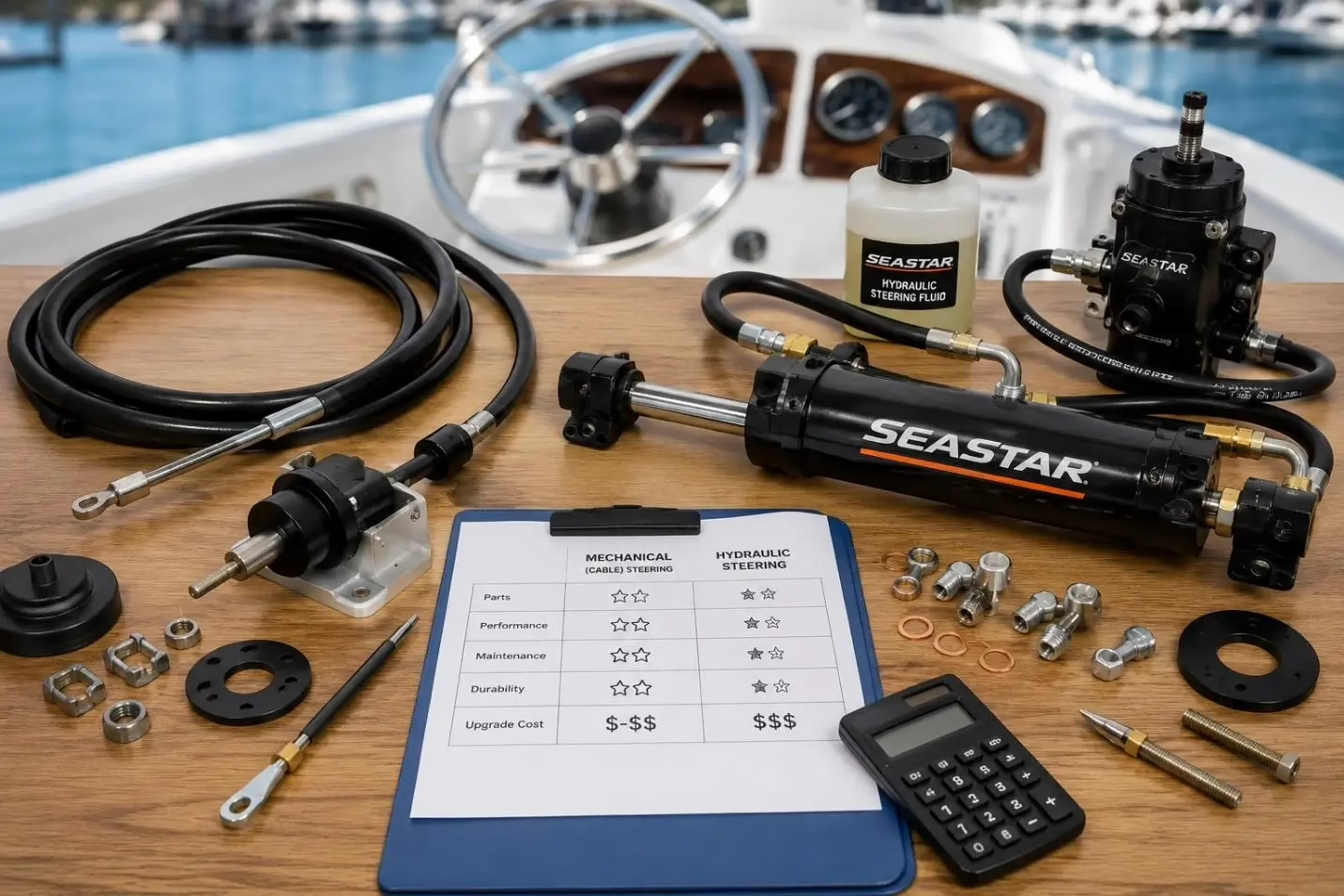
Mechanical Cable Steering vs Hydraulic Boat Steering at a Glance

What Is Mechanical Cable Steering?

Mechanical cable steering connects the wheel to the outboard through a cable-and-pulley system. It’s simple, affordable, and common on smaller boats with modest horsepower.

What Is Hydraulic Boat Steering?

Hydraulic boat steering uses a helm pump to push fluid through hoses to a steering cylinder, delivering lighter, smoother control. It’s the standard choice for larger boats and higher-horsepower outboards.

Signs It's Time to Upgrade from Mechanical to Hydraulic Steering

  • Heavy steering at high speeds
  • Excessive cable wear or fraying
  • Steering play or delayed response
  • Frequent cable maintenance and adjustment
  • Adding a larger or more powerful outboard

How Much Does It Cost to Upgrade to Hydraulic Boat Steering?

Upgrade costs depend on boat size, horsepower, and whether you’re running a single or twin-engine setup.

Average Parts Cost

A complete kit — helm pump, cylinder, hoses, fittings, and fluid — typically runs from several hundred dollars for smaller single-engine boats to well over a thousand for larger or twin-engine applications.

Installation Costs

Many experienced boaters install a hydraulic kit themselves in a weekend. Professional installation adds labor costs but ensures proper bleeding, alignment, and testing.

Total Upgrade Cost by Boat Size

Smaller center consoles and bay boats sit at the lower end of the cost range, while larger offshore boats and twin-engine setups cost more due to additional components. For an accurate quote, bring your boat’s specs to Marine Trading Post.

Mechanical vs Hydraulic Steering: Long-Term Cost Comparison

Cable steering costs less upfront but wears over time, requiring periodic replacement and adjustment as cables stretch and fray. Hydraulic systems cost more initially but generally need less frequent servicing beyond fluid checks and occasional seal replacement, making them a smart long-term investment, especially for boats used often or pushed hard at higher speeds.

Benefits of Upgrading to Hydraulic Steering

  • Easier, lighter steering effort
  • Better boat control at speed
  • Reduced driver fatigue on long runs
  • Improved safety and responsiveness
  • Better performance with high-horsepower engines
  • Increased resale value

Choosing the Right Hydraulic Boat Steering Kit

  • Boat length
  • Horsepower rating
  • Single vs twin outboards
  • Intended use (fishing, cruising, offshore)

Why SeaStar Hydraulic Steering Is an Industry Favorite

SeaStar has built a reputation for dependable performance and broad compatibility across outboard brands. Boatbuilders and rigging shops trust SeaStar components, and parts availability makes maintenance straightforward for boat owners nationwide.

Essential SeaStar Components You May Need

  • SeaStar hydraulic steering pump
  • SeaStar hydraulic steering seal kit
  • SeaStar steering parts (fittings, hoses, mounting hardware)
  • SeaStar power assist pump for larger, high-horsepower applications

Is Outboard Power Steering Worth the Investment?

For boats running higher-horsepower engines, outboard power steering significantly reduces wheel effort and driver fatigue, especially during long runs or repeated maneuvering at the dock. It’s a worthwhile investment for anyone running long days on the water, towing water sport enthusiasts, or pairing hydraulic steering with a larger, more powerful outboard.

DIY vs Professional Installation

When DIY Makes Sense

If you’re comfortable with basic tools and plumbing hydraulic lines, a single-outboard installation is a manageable weekend project.

When Professional Installation Is Recommended

Twin-engine setups, tight rigging spaces, or boats with limited mechanical experience benefit from professional installation.

Tools Required

Wrenches, hose cutters, a drill, and a bleeder kit.

Common Installation Mistakes

Undersized hoses, improper bleeding, and mismatched cylinder-to-pump sizing are the most frequent issues that cause poor performance after installation.

Maintenance Tips for Hydraulic Boat Steering Systems

  • Check fluid levels each season
  • Inspect hoses and fittings for wear
  • Bleed the system if steering feels soft
  • Replace seals at the first sign of leaking

Common Mistakes to Avoid When Upgrading Boat Steering

  • Choosing an undersized kit for your horsepower
  • Skipping a full system bleed after installation
  • Using non-approved hydraulic fluid
  • Ignoring cylinder-to-helm compatibility

Which Steering System Is Right for Your Boat?

Smaller, lower-horsepower boats used occasionally may do fine with mechanical cable steering. Larger boats, higher-horsepower engines, and frequent boaters benefit most from the control and comfort of hydraulic steering.

Conclusion

Upgrading from mechanical cable to hydraulic boat steering is one of the most noticeable improvements you can make to your boat’s handling. While the upfront cost is higher, the payoff in control, comfort, and long-term reliability is significant. Marine Trading Post carries genuine SeaStar steering parts and the expertise to help you choose the right kit, whether you’re upgrading yourself or need a professional hand — visit us in Fort Myers, Port Charlotte, or Naples.

Frequently Asked Questions

Costs vary by boat size and engine count, generally ranging from several hundred dollars for small single-engine boats to well over a thousand for larger or twin-engine setups, plus installation if you’re not doing it yourself.
For smaller boats with modest horsepower, mechanical cable steering may be sufficient. Hydraulic steering becomes more valuable as boat size and horsepower increase.
With regular maintenance, hydraulic steering systems can last many years, though seals, hoses, and fluid should be inspected and serviced periodically.
Yes, many single-engine installations are DIY-friendly with basic tools. Twin-engine or complex rigging setups often benefit from professional installation.
There’s no strict cutoff, but most boaters find hydraulic steering becomes noticeably beneficial above roughly 150 horsepower, and often necessary at higher outputs.